


Greatness? What's that ?
Updated: Feb 4, 2025
Greatness
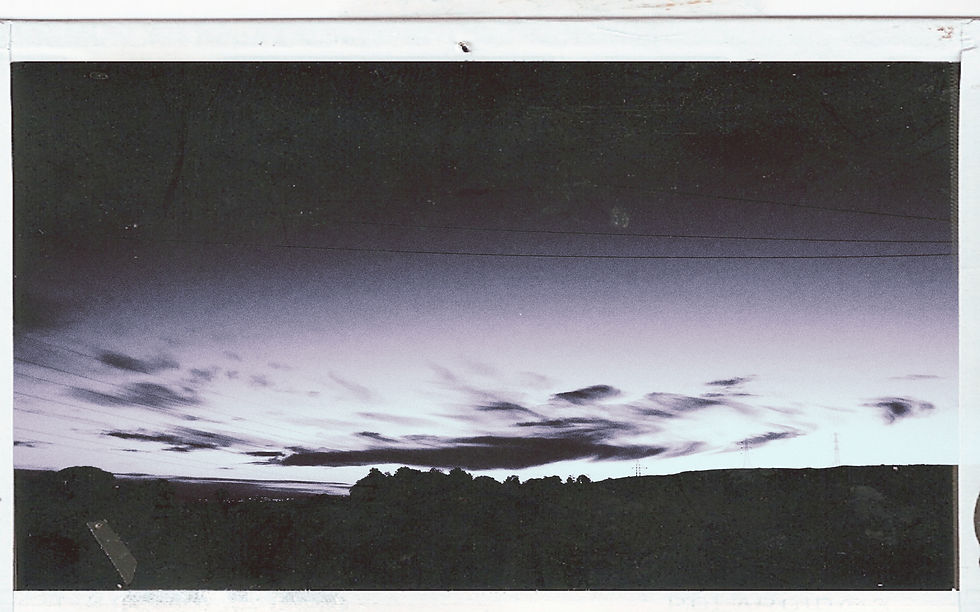
09/11/2019
Man, I feel great.
This morning, I took a run through the frost-bitten hills with my dog, Sally—her paws crunching against the frozen earth, a rare delight. No mud. No mess. Just that clean, crisp bite of winter air filling my lungs. Came back, hot shower, fresh clothes—like a rebirth every time. Then breakfast, cooked and served with love—Julie and our daughter still in bed, boys downstairs scheming drone flights over some vast stretch of sky. Cheat day meant eggs and a croissant slick with butter and jam. It tasted great.
Now, coffee in hand, French Radio in the background, I sit here tapping away. The music? Sublime. The Clash. John Coltrane. French oddities like Camille and the instrumental mastery of Yann Tiersen. I dont know the latter two, but they sound ‘great’, or so I tell myself. But that word—great. What does it even mean? How does it manifest? I feel great because of circumstance. Because of a warm breakfast. Because I didn’t wake up to a Monday. But that’s not greatness. That’s just... well, contentment. Greatness is something else. Something bigger.
Lately, I’ve noticed how liberally the word gets tossed around. Every artist, every athlete, every two-bit social media c*nt chasing engagement—‘great’. But what does it take to actually be great? And more importantly, why does it matter?
What is greatness?
Greatness isn’t just excellence. It’s not just skill. You don’t wake up one day, post a viral tweet, and become great. No, you crawl before you walk, you stumble before you sprint, and even then—brilliance isn’t automatic. You can be competent. You can be good. You can be brilliant. But greatness? That’s something rarer. It’s the journey from zero to hero, witnessed and acknowledged. It’s not just talent—it’s transformation. It’s the weight of time and struggle shaping something undeniable.
There’s something almost mystical about it. You can’t quantify it entirely. You can’t always measure it. And yet, we know it when we see it. It’s a force, an undeniable presence. It’s why some people’s names echo through history while others fade into static.
Does greatness mean the same thing in every field?
Sport gives us easy answers. The best are the best because the numbers say so. Ronaldo, Messi, the Williams sisters—numbers, medals, accolades. But what about music? Art? Science? Politics? There’s no stopwatch for those. No scoreboard. What makes an artist great? Sales? Influence? Timing? Does the world agree because a group of critics did? And science? Hypotheses are tested, but approval comes from human consensus. The goalposts shift. The game changes.
Yet, even in these subjective arenas, true greatness breaks through. It’s the work that resonates long after the creator is gone. It’s the ripple effect that shapes culture, thought, and the very way we see the world.
Is victory the same as greatness in sport?
Not always.
Take boxing. Mayweather has a perfect record—50 fights, 50 wins, barely a scratch. Ali? Five defeats. And yet, Ali is ‘The Greatest’. Why? Because he won when it mattered. Because he transcended the sport. He wasn’t just a boxer—he was a poet, a showman, a revolutionary. He ate the moment where others were devoured. He made boxing matter beyond the ring.
It’s about more than just numbers. It’s the moments. The fights that become legend. The challenges that go beyond the sport itself. The ability to make the world stop and watch.
How much does adversity shape greatness?
More than anything.
Dorothy Height once said: ‘Greatness is not measured by what a man or woman accomplishes but by the opposition he or she has conquered to achieve their goals.’ And she’d know. As a black woman in the civil rights movement, she faced every obstacle society could throw at her—and still, she made herself heard.
Ali, Height—both had talent, but it was their struggle that made them great. Without the fight, the victory is hollow. Without resistance, there’s nothing to overcome. And in the overcoming, we find the legends.
Who decides who is great?
Historically? Scribes. Scholars. The ones holding the quills, controlling the narrative, weaving propaganda into permanence. Ancient rulers were great because their scribes told peasants they were. And those peasants, huddled and afraid, nodded along. Fear breeds agreement.
And today? Social media has turned us all into scribes. We hand out greatness like likes on an Instagram post. Hashtags make kings. Reality TV stars wield influence because a million people say they should. But where’s the substance? Where’s the impact?
Is greatness the same as success?
Not at all.
Success is numbers—money, fame, status. But the world is littered with talentless billionaires. Social media ‘influencers’ rake in fortunes without ever creating anything of worth. Meanwhile, genuine artists, athletes, and thinkers scrape by in obscurity. If greatness equalled wealth, history wouldn’t remember Van Gogh.
Why do we chase greatness?
Maybe it’s survival. Maybe it’s ego. Alexander the ‘Great’ didn’t start out trying to be a legend—he was trying to secure his empire, to avenge Greece, to ensure his own power. The title came later, crafted by those who wanted his legacy to endure. Because greatness fuels conquest, and conquest feeds history.
Ali didn’t start boxing to be great—he started because someone stole his bike. Height didn’t start speaking to be great—she spoke because the world needed her voice. And yet, both became legends.
So how do you become great?
You don’t chase it. You don’t declare it.
You get good—better than those around you. You master your craft. Then, when you’re good, you push further. You break barriers. You create something new. And you do it over and over and over again.
But here’s the thing—forget the word ‘great’.
Instead, focus on this:
Be good to yourself. Run that extra mile. Eat the croissant. Play that album. Learn that skill.
Then be good to those around you. Make your partner breakfast. Fly that drone with your kids. Give them your time. Give them your best.
Then, if there’s anything left in the tank, push outward. Write those songs. Do that charity work. Change something. Leave a mark.
Because true greatness? It’s not about applause. It’s not about trophies. It’s about impact. It’s about carving something real into the fabric of time.
So, do I consider myself great?
Yes.
Ray
Comments